 |
|
Lomont
Family History
|
|
Descendants
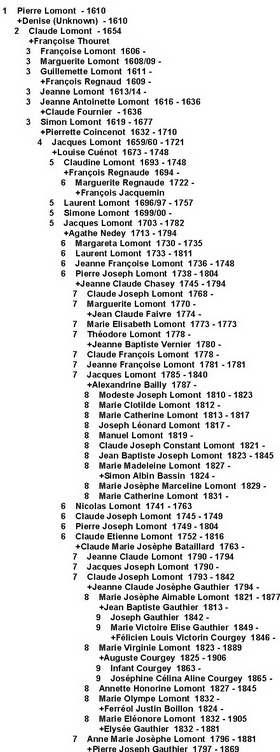
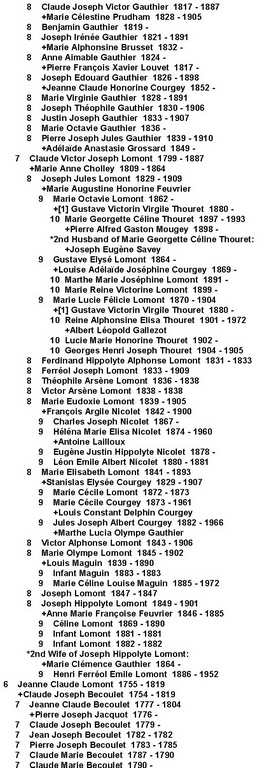
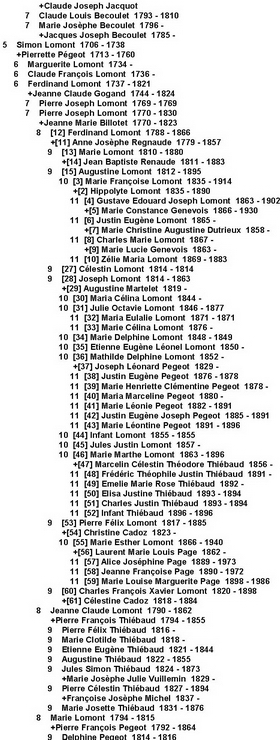
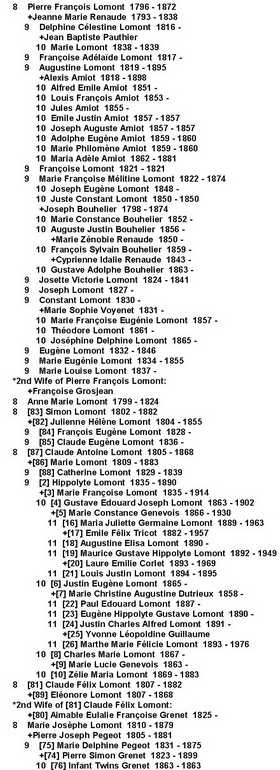
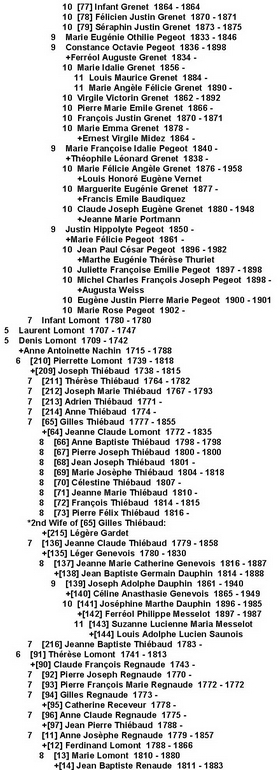
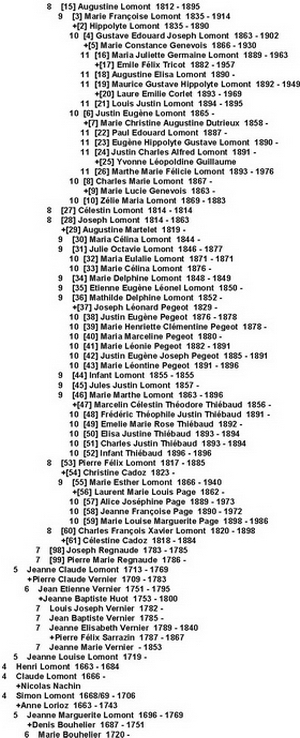
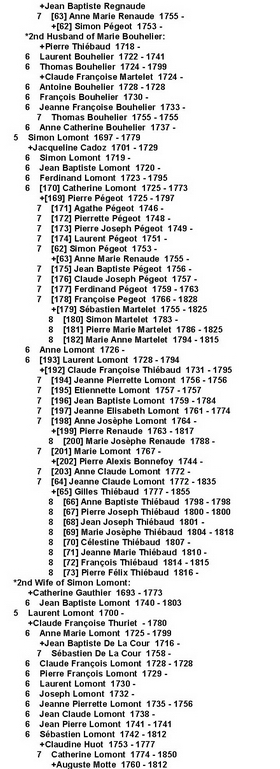
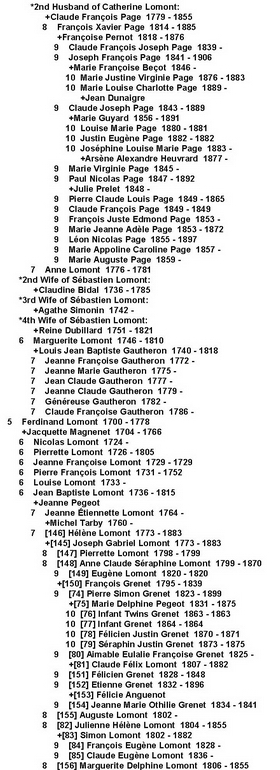
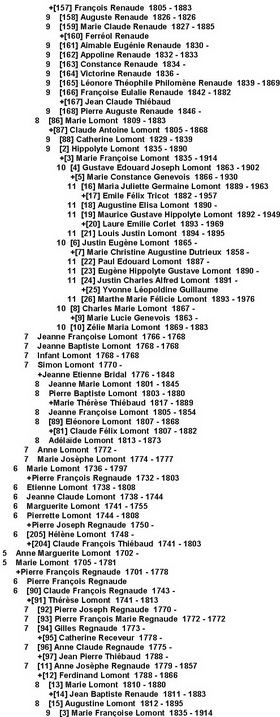
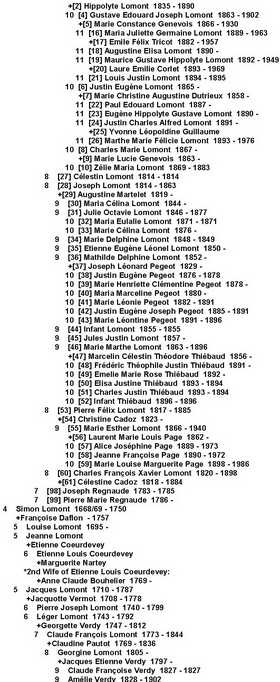
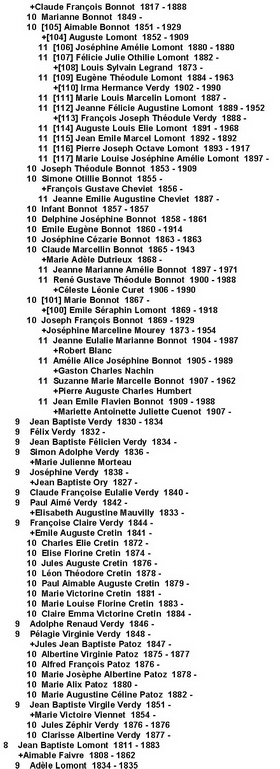
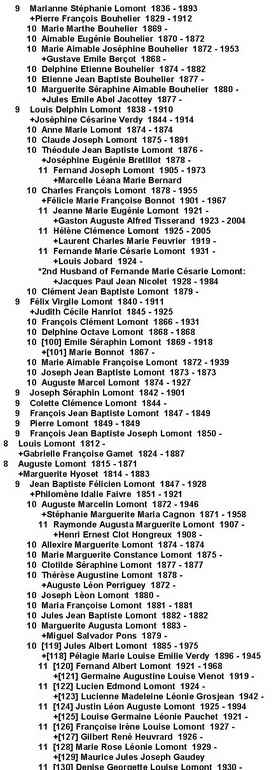
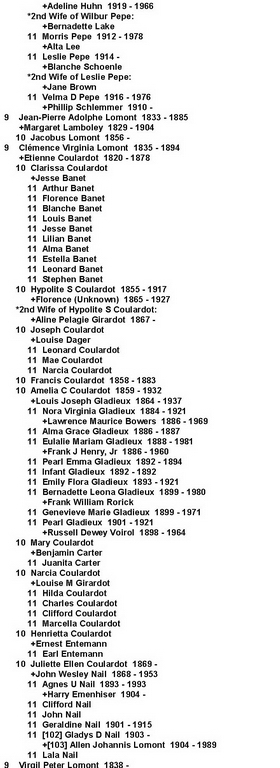
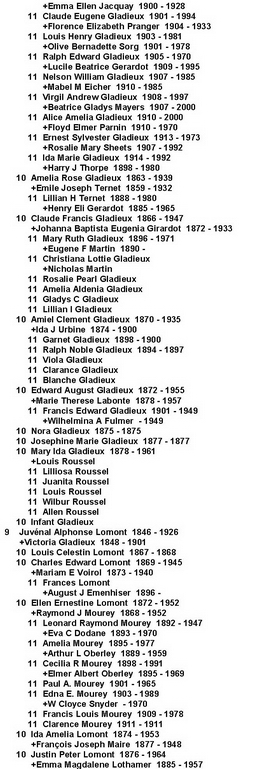
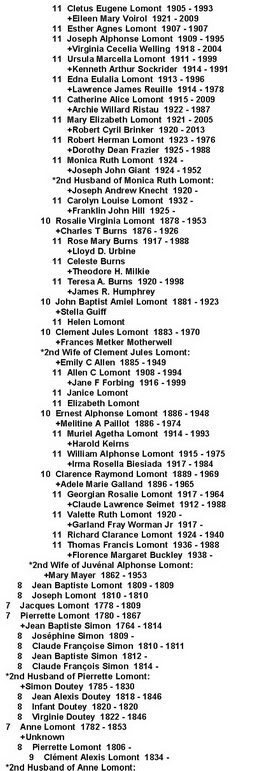
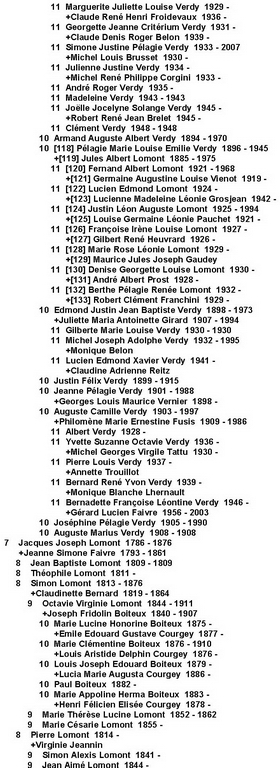
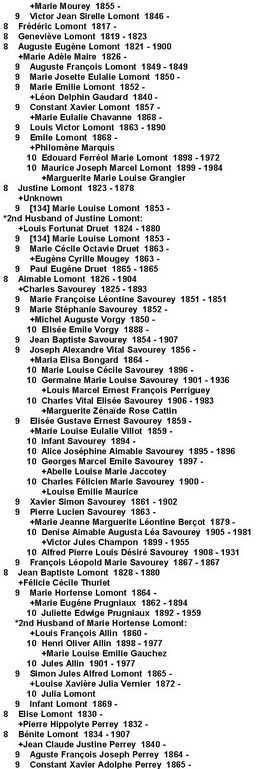
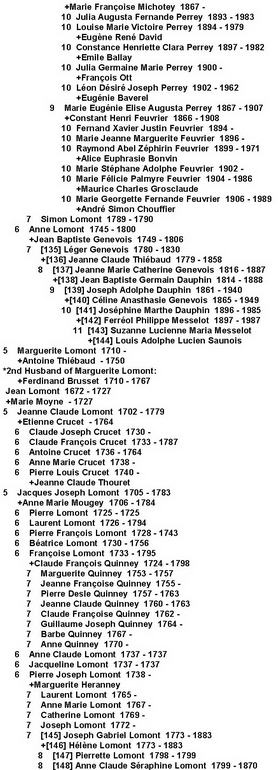
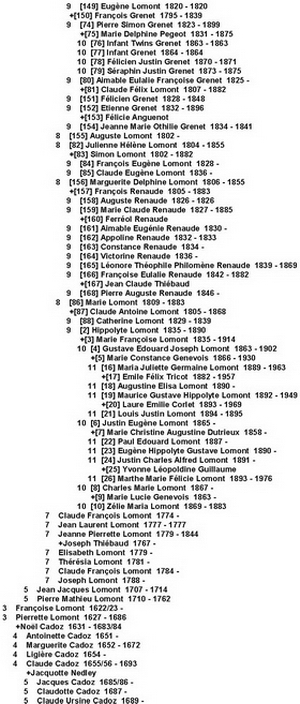
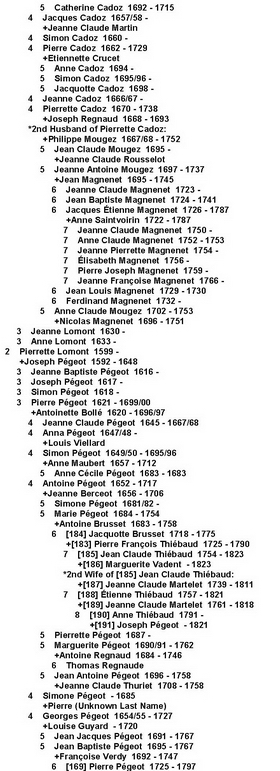
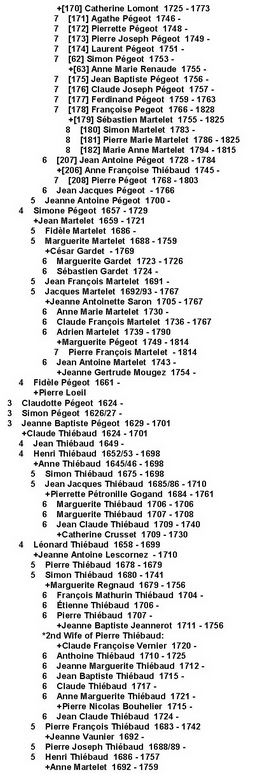
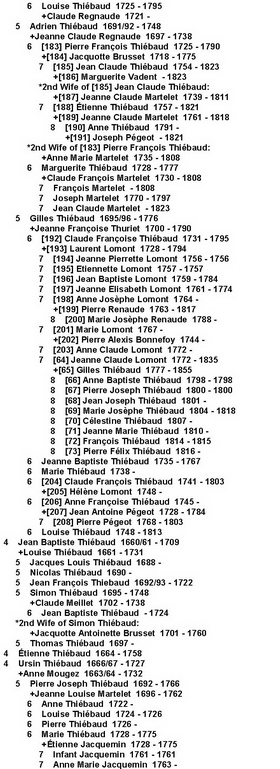
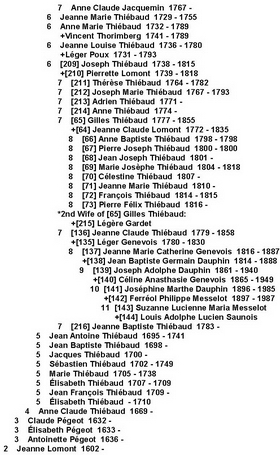
of Pierre Lomont and Denise (Unknown Last Name)
|
||||||||||||||||||||||||||||||||||||||
|
Eleven
Generations
|
||||||||||||||||||||||||||||||||||||||
 |
||||||||||||||||||||||||||||||||||||||
 |
||||||||||||||||||||||||||||||||||||||
 |
||||||||||||||||||||||||||||||||||||||
 |
||||||||||||||||||||||||||||||||||||||
 |
||||||||||||||||||||||||||||||||||||||
 |
||||||||||||||||||||||||||||||||||||||
 |
||||||||||||||||||||||||||||||||||||||
 |
||||||||||||||||||||||||||||||||||||||
 |
||||||||||||||||||||||||||||||||||||||
 |
||||||||||||||||||||||||||||||||||||||
 |
||||||||||||||||||||||||||||||||||||||
 |
||||||||||||||||||||||||||||||||||||||
 |
||||||||||||||||||||||||||||||||||||||
 |
||||||||||||||||||||||||||||||||||||||
 |
||||||||||||||||||||||||||||||||||||||
 |
||||||||||||||||||||||||||||||||||||||
 |
||||||||||||||||||||||||||||||||||||||
 |
||||||||||||||||||||||||||||||||||||||
 |
||||||||||||||||||||||||||||||||||||||
 |
||||||||||||||||||||||||||||||||||||||
 |
||||||||||||||||||||||||||||||||||||||
 |
||||||||||||||||||||||||||||||||||||||
 |
||||||||||||||||||||||||||||||||||||||
 |
||||||||||||||||||||||||||||||||||||||
 |
||||||||||||||||||||||||||||||||||||||
 |
||||||||||||||||||||||||||||||||||||||
|
The
Lomont Family - Introduction and Index
|
|
|
Navigation Through These Webpages |
|
|
Introduction and Index
|
|
Juvénal Alphonse Lomont Family
|
|
Feedback - Send email to Don Lomont
|
|
The roots of the Lomont family are found in the Dept. Doubs, Franche-Comté Region, France, where all the children of Claude François and Angélique Marie Verdy Lomont were born. All or most of the family emigrated to the United States on the ship St. Nicholas which sailed on March 18, 1850 from Le Havre, France and arrived in America at the Port of New York on April 13, 1850. This webpage is designed to provide you an index into the various subjects included within the Lomont Family Website making your navigation experience pleasant even with the vast amount of information either included already or planned for future updates to this website. This page provides a list of topics and a brief synopsis of the subject matter associated with that link. Several topics have been developed in a very preliminary form. Further development of these and other topics is anticipated in the coming years. The current topics anticipated are listed below: |
|
|
||||||||||||||||||||||||||||||||||||||||||||||||||||||||||||||||||||||||||||||
|
||||||||||||||||||||||||||||||||||||||||||||||||||||||||||||||||||||||||||||||
|
||||||||||||||||||||||||||||||||||||||||||||||||||||||||||||||||||||||||||||||
|
||||||||||||||||||||||||||||||||||||||||||||||||||||||||||||||||||||||||||||||
|
||||||||||||||||||||||||||||||||||||||||||||||||||||||||||||||||||||||||||||||
|
||||||||||||||||||||||||||||||||||||||||||||||||||||||||||||||||||||||||||||||
|
||||||||||||||||||||||||||||||||||||||||||||||||||||||||||||||||||||||||||||||
|
||||||||||||||||||||||||||||||||||||||||||||||||||||||||||||||||||||||||||||||
|
||||||||||||||||||||||||||||||||||||||||||||||||||||||||||||||||||||||||||||||
|
||||||||||||||||||||||||||||||||||||||||||||||||||||||||||||||||||||||||||||||
|
||||||||||||||||||||||||||||||||||||||||||||||||||||||||||||||||||||||||||||||
|
||||||||||||||||||||||||||||||||||||||||||||||||||||||||||||||||||||||||||||||
|
||||||||||||||||||||||||||||||||||||||||||||||||||||||||||||||||||||||||||||||
|
||||||||||||||||||||||||||||||||||||||||||||||||||||||||||||||||||||||||||||||
|
||||||||||||||||||||||||||||||||||||||||||||||||||||||||||||||||||||||||||||||
|
||||||||||||||||||||||||||||||||||||||||||||||||||||||||||||||||||||||||||||||
|
||||||||||||||||||||||||||||||||||||||||||||||||||||||||||||||||||||||||||||||
|
Selected
Topics of Special Mention
|
||||||||||||||||||||||||||||||||||||||||||||||||||||||||||||||||||||||||||||||
| Language
French is a Romance language derived from Latin. It has enjoyed a prestigious position in world culture for over three centuries. French was the official language of diplomatic negotiations, and the preferred language among the upper classes of Western civilization, beginning around 1650. By about 1920, however, English began to gain popularity, and it eventually surpassed French in terms of international status. In 1975 the French National Assembly, reacting to what it viewed as an encroachment of English slang upon the French language (commonly called "franglais"), passed a law restricting the use of untranslated English words in advertising materials. They also hoped to discourage the French public from using English words when an equivalent French term existed. As of 1990, an estimated 1.93 million people in the United States spoke the French language at home. The influence of French is also apparent in American English. For example, since French explorers often served as guides for other settlers after the United States purchased the Louisiana Territory, French words were used to describe many aspects of the frontier experience, such as portage, rapids, bayou, butte, peak, gopher, prairie, pass, and cache. French explorers also left a legacy of American place names, including Baton Rouge, Sault Ste. Marie, Detroit, Couer d'Alene, Marquette, Joliet, Lake Champlain, Lake Pontchartrain, Des Moines, Eau Claire, Fon du Lac, Charlevoix, and Terre Haute. Finally, numerous French words occur in everyday American usage, such as croquet, poker, roulette, automobile, garage, lingerie, restaurant, crayon, bouquet, and boutique. Education The French educational system, which was initiated during Napoleon's rule, has had a marked influence on schooling in the United States since the early 1800s. The French system features innovative nursery and primary schools, followed by collèges, the equivalent of American junior high schools. Students then must decide whether to complete their secondary education at an academic or a vocational lycée —a three-year preparatory school similar to American high schools. Admission to French universities is based upon a rigorous, competitive examination in a specific subject area. Only top students may attend the grandes écoles, or elite schools, that serve as a prerequisite for top jobs in business and government. Educators in the United States emulated the French system of progressive schooling culminating in admission to a private or municipal university. In France, however, the entire educational system is administered by the Ministry of National Education, while in the United States education is controlled by states or local communities. Proponents of the French system claim that it is superior, in that it demands students' best efforts and rewards exceptional performance. On the other hand, some detractors claim that the system works to maintain a social class system in France, since the vast majority of students at the grandes écoles hail from upper-class backgrounds. Religion The majority of French immigrants to the United States have been
Roman Catholic. This fact is so partly because Catholics form a
majority in France, and partly because during colonial times only
Catholics were allowed to emigrate. Descendants of the 15,000 French
Huguenots who came to the United States tend to be Anglican. More
recently, the United States became a refuge for French Jews during
and after World War II. |
||||||||||||||||||||||||||||||||||||||||||||||||||||||||||||||||||||||||||||||
|
||||||||||||||||||||||||||||||||||||||||||||||||||||||||||||||||||||||||||||||